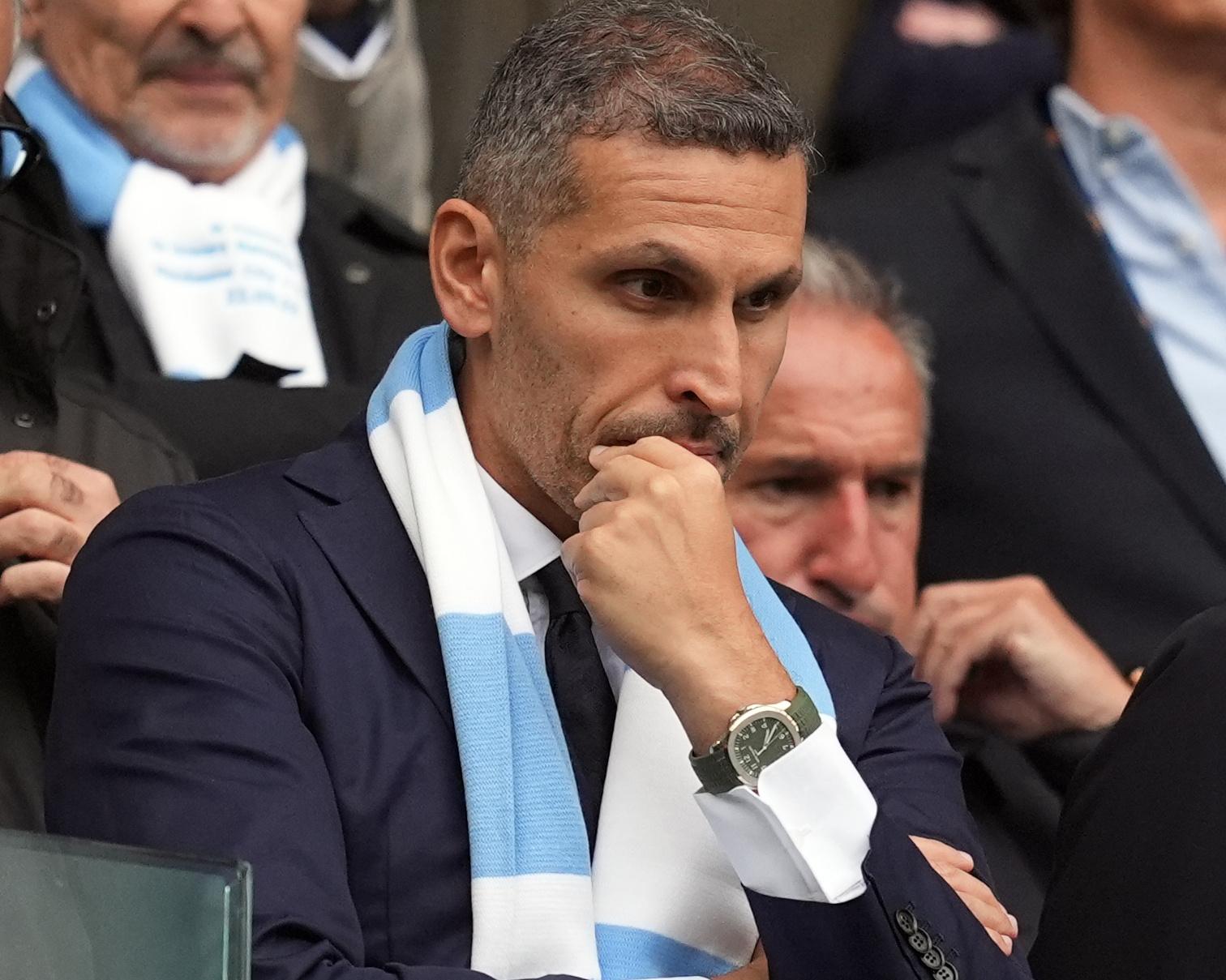
No individual has a deeper understanding of Abu Dhabi's delicate diplomatic position than Khaldoon al-Mubarak, the chairman of Manchester City. He must constantly navigate the challenge of maintaining strong ties with Western Europe while managing the intricate geopolitical dynamics of the Gulf region. However, recent reports suggest his next strategic decision might involve selling the Premier League club amid ongoing financial allegations.
Khaldoon's personal history is marked by tragedy that shaped his worldview. In February 1984, when he was just eight years old, his father—Ambassador Khalifa Ahmed Abdel Aziz al-Mubarak—left their Paris residence for work and was murdered in broad daylight by a Palestinian militant. This traumatic event gave young Khaldoon an early education in the dangerous complexities of Middle Eastern politics.
Outside the emirate's ruling family, few people are as deeply invested in Abu Dhabi's global strategic ambitions as Khaldoon. His mission centers on establishing and preserving Abu Dhabi as both a significant international player and the leading member of the United Arab Emirates, a federation that celebrated only its 55th anniversary recently.
The al-Mubarak family's influence runs deep in UAE history. Khaldoon's paternal grandfather, Ahmad Bin Abdul Aziz al-Mubarak, served as chairman of Abu Dhabi's Sharia judicial department and acted as a senior adviser to Sheikh Zayed bin Sultan al-Nahyan, who founded the UAE. In this capacity, Ahmad Bin Abdul Aziz played a foundational role similar to James Madison in American history—he architected the Islamic legal structure for the newly formed nation during the 1970s.
Now, with Manchester City facing 115 charges related to alleged financial irregularities, Khaldoon faces perhaps his most significant professional challenge. The club represents more than just a sporting investment; it serves as a key component of Abu Dhabi's soft power strategy in the Western world. How Khaldoon navigates this crisis will test his renowned ability to balance competing interests across different political and cultural landscapes.