The Cleveland Cavaliers faced a pivotal decision this summer when opportunities arose to dramatically alter their core roster. Two elite players, Giannis Antetokounmpo and Jaylen Brown, were reportedly available via trade, with both Milwaukee and Boston showing interest in acquiring Evan Mobley as the centerpiece of potential deals. If such a blockbuster move had materialized, speculation suggested LeBron James might have considered returning to Cleveland as well.
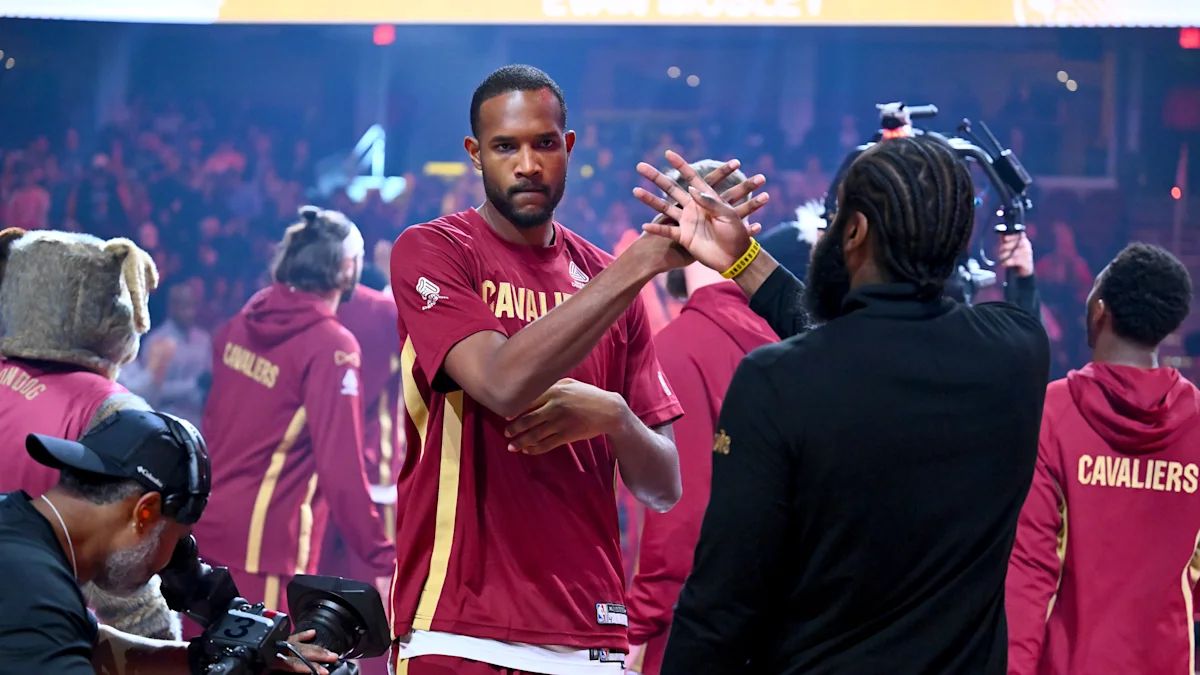
Ultimately, Cleveland's front office chose a different path. They elected to retain the 25-year-old former Defensive Player of the Year, doubling down on their conviction in his potential. This decision carried significant risk, perhaps more so than trading him for an established superstar would have entailed.
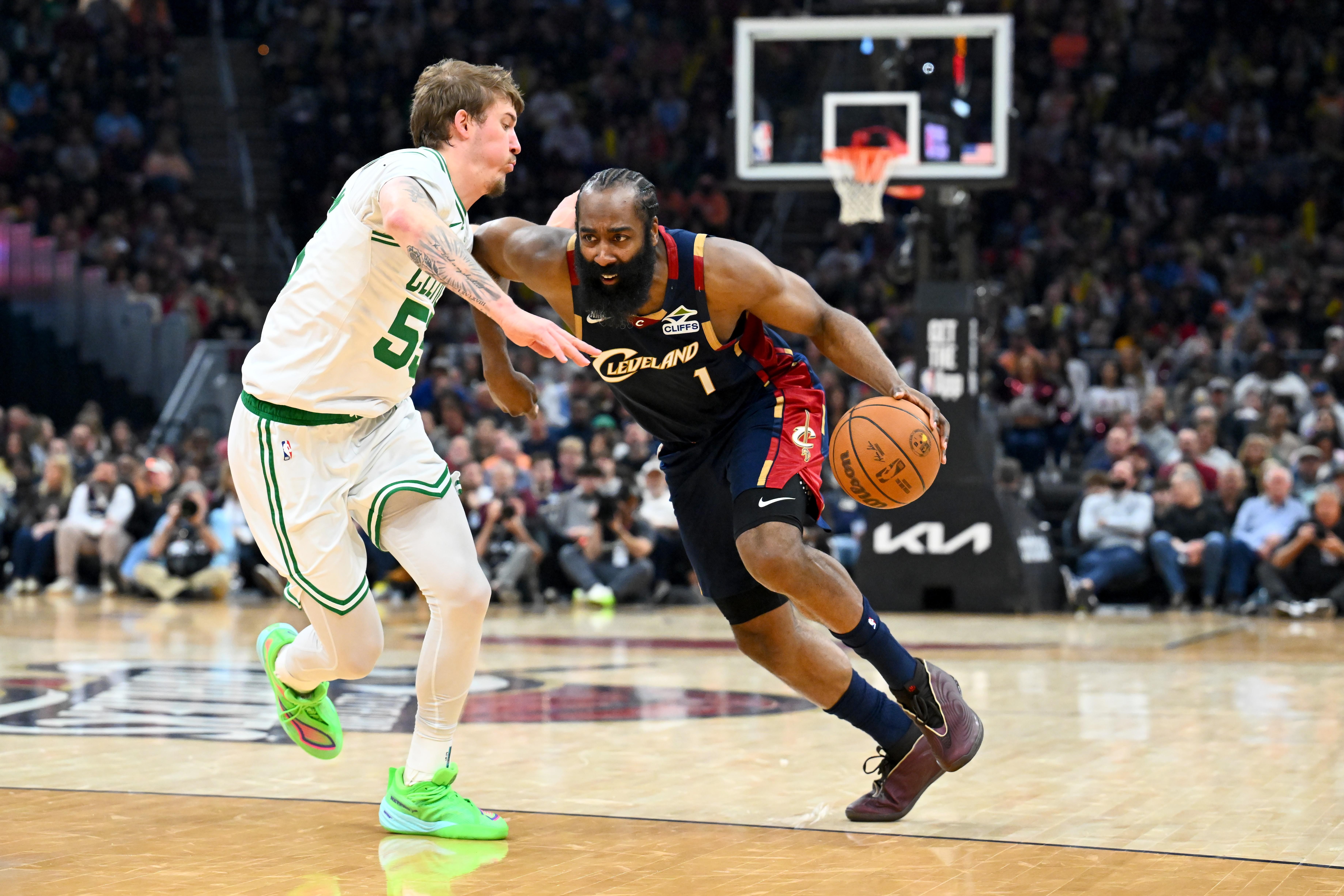
Acquiring a proven star through a Mobley trade would have immediately elevated the team's championship ceiling while aligning better with the shortened competitive window created by last winter's James Harden acquisition. Instead, management bet that Mobley can develop into the caliber of player needed to propel this core to a championship while simultaneously providing long-term stability.
When performing at his peak, Mobley's abilities are undeniable. His scoring appears effortless when attacking the rim. He possesses sufficient court vision and touch as a facilitator to excel when recognizing double teams. During stretches of last postseason, his perimeter shooting became a genuine weapon, showcasing his potential as a complete offensive threat. These offensive capabilities complement his status as one of the league's most disruptive defensive forces.
The challenge lies in consistency. Mobley doesn't reach those heights as frequently as championship contention demands. His baseline production makes him a quality offensive contributor, yet not the foundation around which elite offenses are constructed. A big man reliably delivering 18 points per game holds significant value, but that impact pales compared to the All-NBA offensive superstars who were available this summer.
This leaves Cleveland with an exceptional player who can earn All-NBA Second Team recognition when properly utilized, though he hasn't established himself as a primary offensive focal point. That profile may prove sufficient for regular-season excellence but insufficient to overcome the playoff obstacles this franchise has repeatedly encountered.
Basketball remains fundamentally a team sport, despite individual narratives. No action occurs in isolation on the court, particularly for big men like Mobley who depend heavily on teammates for offensive opportunities and defensive support. The reshaped roster could optimize Mobley's strengths.
A complete offseason working with Harden should enhance their chemistry. Training camp sessions in Spain suggested head coach Kenny Atkinson may feature the Harden-Mobley pairing extensively this season, though final rotations remain undetermined. When discussing how he'll deploy his core four players, Atkinson emphasized the collaborative nature of these decisions, considering factors like optimal stint lengths and surrounding personnel.
Harden and Mobley shared approximately 2,000 possessions last season across regular season and playoffs combined, compared to over 4,000 possessions for the Mitchell-Mobley pairing. Their partnership posted encouraging regular-season metrics: 77th percentile in net rating, 80th percentile offensively, and 68th percentile defensively. The numbers became exceptional when both played without Allen and Mitchell, reaching the 97th percentile in net rating and 96th percentile offensively.
Peyton Watson's addition should further optimize these lineups. Mobley thrives surrounded by four shooters, which historically made his partnerships with Dean Wade successful despite Wade's inconsistent offensive contributions. Watson brings both perimeter shooting ability and driving threat while providing the length and rebounding to function at power forward. This represents the ideal guard-forward combination Mobley has lacked throughout his career.
The Mobley-Allen frontcourt pairing requires refinement, however. Playoff performance suffered significantly when both played together, particularly without Wade spacing the floor. While this twin-tower lineup has succeeded in regular season play, its playoff viability against elite competition remains questionable. Watson and Mario Hezonja must prove capable of handling high-leverage playoff minutes at the four position.
At 25, expecting dramatic transformation from Mobley would be unrealistic. Developing an elite face-up game or becoming a high-volume three-point shooter seems unlikely based on typical player development patterns. Yet incremental improvements in his existing strengths, combined with optimized lineup construction, could produce a career-best season. Unlike score-first guards such as Mitchell, big men like Mobley depend more heavily on teammates and strategic deployment.
Cleveland's biggest gamble of this era centers on Mobley. Thus far, that wager has yielded consistent regular-season success alongside mixed playoff results. The former trend will likely continue this season. Whether the latter transforms into sustained playoff excellence will ultimately determine if this calculated risk proves worthwhile.